Is Achilles Pain Slowing You Down?
Simple daily habits and overuse can irritate your body’s strongest tendon—here is what you need to know.
Achilles tendon pain, often felt as a nagging ache or sharp twinge just above your heel, is a remarkably common issue that can sideline anyone from a weekend warrior to someone just enjoying a daily walk.
This discomfort typically arises from overuse or repetitive strain, where the powerful Achilles tendon, connecting your calf muscles to your heel bone, becomes irritated or inflamed. Imagine pushing yourself a bit too hard during a run, starting a new exercise routine without proper warm-up, or even just wearing unsupportive shoes; these factors can all contribute to the tendon's distress, leading to symptoms like morning stiffness, persistent pain during activity, or tenderness.
It's not just about intense athletic pursuits; even simple actions like climbing stairs or walking long distances can become surprisingly challenging, making you keenly aware of this vital but often overlooked structure.
Understanding the early signs and respecting your body's signals are crucial steps in managing and preventing this often frustrating condition, allowing you to stay active and pain-free.
Achilles Tendon Pain - How We Can Help
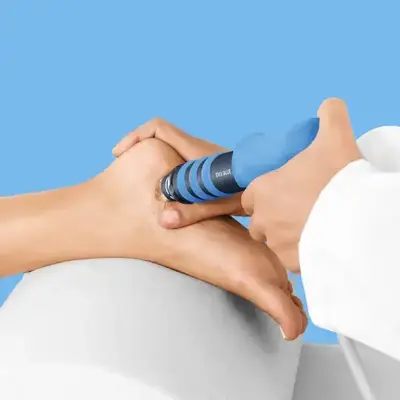
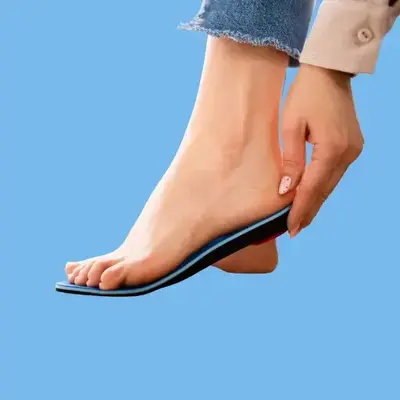
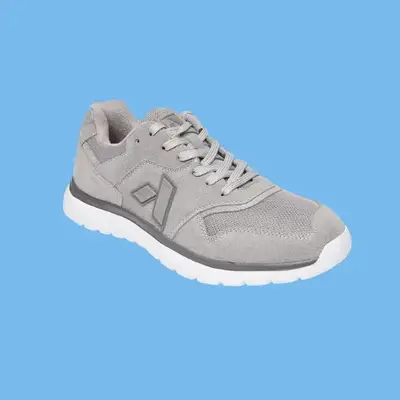
Is Your Achilles Tendon Irritated?
The Achilles tendon absorbs tremendous impact every time you walk, run, or climb stairs. Daily habits or sudden workout changes can quickly lead to painful inflammation if ignored. Identifying early tenderness helps protect your heel so you can maintain an active lifestyle.
Insurance & Direct Billing
Most private and extended health insurance plans cover chiropody and foot care services. We offer convenient direct billing to major insurance carriers so you can focus on getting back on your feet hassle-free.
Frequently Asked Questions
Early signs typically include a dull ache, stiffness, or tenderness just above the heel—especially first thing in the morning or after resting. You might also notice mild discomfort at the start of a walk or workout that eases up as you move, but returns later.
It is most commonly caused by overuse or repetitive strain. Sudden increases in activity (like starting a new workout routine or ramping up running mileage too fast), tight calf muscles, or wearing unsupportive footwear can all place excessive stress on the tendon.
It depends on the severity. Mild, temporary discomfort that fades with a proper warm-up may only require modifying your activity. However, sharp pain, swelling, or worsening stiffness are warning signs that you should rest the tendon and avoid high-impact movements until it recovers.
Because tendons have a relatively limited blood supply compared to muscles, healing takes time. Mild irritation can improve within a few weeks with rest and modified activity, while more stubborn or chronic tendonitis can take several months of consistent care and rehabilitation.
Initial home care often involves modifying activities to avoid strain, gentle calf stretches (once acute pain subsides), supportive footwear, and applying ice after activity to manage discomfort. If pain persists or worsens, seeing a foot and ankle specialist for a tailored recovery plan is recommended.
